Preview

This is your website preview.

Currently it only shows your basic business info. Start adding relevant business details such as description, images and products or services to gain your customers attention by using Boost 360 android app / iOS App / web portal.

SDFRACKSCH 667e8133a047aa773b9e4317 Products https://www.sdfracks.in

Manufacturing test

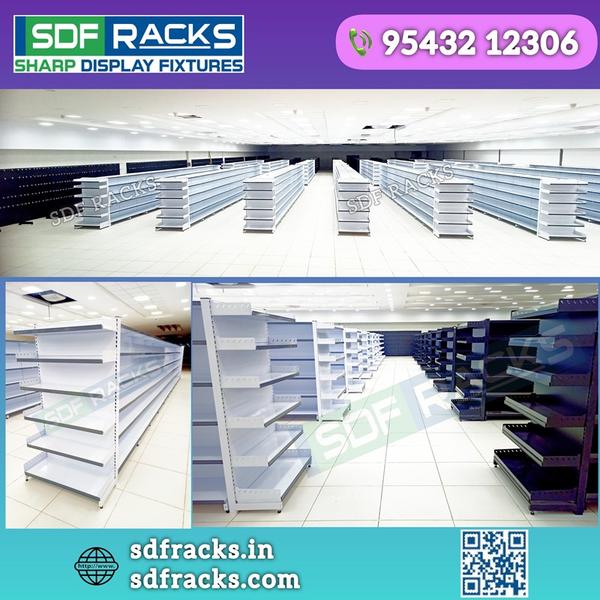
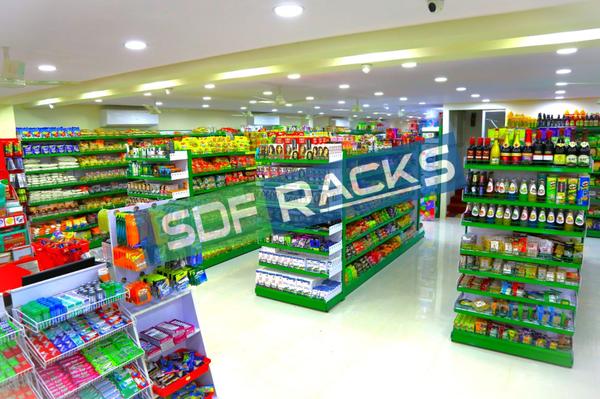
A hypermarket rack is a versatile and strategically designed type of shelving found in a hypermarket, a supermarket that combines the functions of a supermarket and department store for an efficient layout, displaying a variety of products ranging from food and housewares to electronics and clothing These racks were necessaryTypically made of materials such as metal or hard plastic, hypermarket racks are designed to withstand heavy loads and heavy traffic. They come in configurations including single-sided or double-sided units for ample space and accessibility. Typically, internal features are adjustable shelves, with flexible layouts to accommodate different sizes, as well as areas with signs or labels to make products more visible and easier to buyThe design of the hypermarket rack emphasizes functionality and customer experience. It is organized in a way that encourages visibility and accessibility, and makes business more efficient. For example, end-hat racks (located at the end of tracks) are often used for high visibility or promotional purposes, while gondola racks (free-standing, double-sided racks) help with configuration things are on the roadsAdditionally, hypermarket racks are designed to ensure that inventory looks good, with some models and features for changing packaging and easy repackaging This helps to ensure that items that have taken the name is always there and the store has a listed and interesting description.Overall, hypermarket racks play an important role in enhancing the shopping experience through efficient display, easy access, and inventory management
Hypermarket Rack
VIEW DETAILS
Electronics RacksAn electronics rack, also known as a server rack or network rack, is a standardized frame or enclosure used for mounting multiple electronic equipment modules. These racks are widely used in data centers, telecommunications facilities, and various industrial settings.Types of Electronics RacksOpen Frame Racks:• 2-Post Racks: Typically used for lighter equipment such as patch panels and network switches.• 4-Post Racks: Provide more stability and support for heavier equipment, often used in data centers.Enclosed Racks:• Server Cabinets: Fully enclosed with front and rear doors, side panels, and lockable features for security.• Wall-Mount Racks: Smaller, enclosed racks mounted on walls, used for networking equipment in smaller spaces.Standard Sizes of Electronics Racks• Rack Units (U): The height of equipment designed for racks is specified in rack units (U). 1U is 1.75 inches (44.45 mm) in height.• Width: Standard width is 19 inches (482.6 mm).• Depth: Varies but common depths include 600 mm, 800 mm, and 1000 mm.Components of Electronics Racks1. Rack Rails: Vertical rails with pre-tapped holes or square holes for mounting equipment.2. Shelves: Fixed or sliding shelves for non-rack-mountable equipment.3. Power Distribution Units (PDUs): Devices that distribute electric power to equipment within the rack.4. Cable Management: Systems like cable rings, ducts, or trays to organize and route cables.5. Cooling Systems: Fans and ventilation systems to dissipate heat generated by the equipment.Benefits of Electronics Racks1. Organization: Keeps equipment neatly arranged and accessible.2. Scalability: Easy to add or remove equipment as needs change.3. Cooling Efficiency: Proper airflow management reduces the risk of overheating.4. Security: Lockable racks protect sensitive equipment from unauthorized access.5. Space Utilization: Efficiently uses vertical space, saving floor space.Applications of Electronics Racks• Data Centers: Houses servers, storage devices, and networking equipment.• Telecommunications: Organizes switches, routers, and other communication devices.• Industrial Automation: Manages control systems, PLCs, and other automation hardware.• Home Labs: Used by enthusiasts and professionals for building and testing systems.Considerations for Selection of Electronics Racks• Load Capacity: Ensure the rack can support the weight of all equipment.• Ventilation: Adequate airflow to prevent overheating.• Accessibility: Easy access for installation and maintenance.• Security: Locking mechanisms if needed.• Compliance: Adherence to relevant standards and regulations.Installation Tips of Electronics Racks• Plan Layout: Determine the position of each device before installation.• Label Cables: Clearly label all cables for easier troubleshooting.• Use Cable Management: Keep cables organized to avoid tangling and ensure good airflow.• Balance Load: Distribute weight evenly to prevent tipping or damage.Maintenance of Electronics Racks• Regular Cleaning: Dust and clean the racks to maintain good airflow.• Check Connections: Periodically check and tighten connections to prevent loose cables.• Monitor Temperature: Use temperature sensors to monitor and manage heat levels.Understanding these aspects of electronics racks can help in selecting, installing, and maintaining them effectively for various applications.
Electronics Racks
VIEW DETAILS
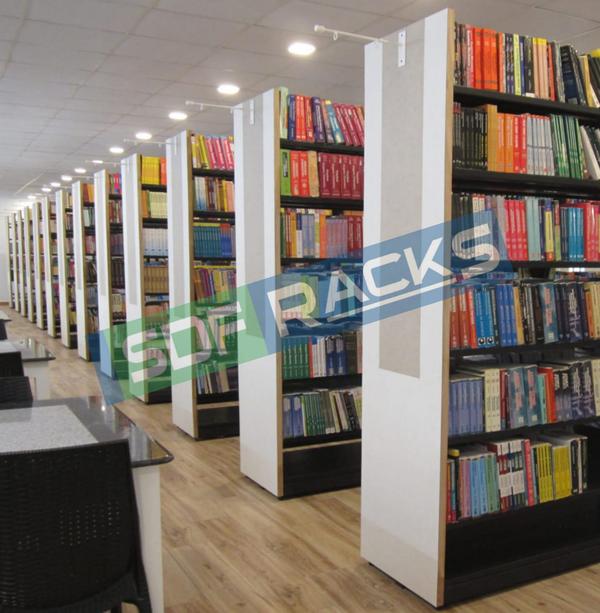
Libraries are essential components of a library system designed to properly organize and store books and other materials. Library shelves are typically strategically made of durable materials, such as wood or metal, in order to maximize the use of space, while ensuring that books are easily accessible to library patronsThese racks come in a variety of holding styles. For example, a magazine library has wide rooms for magazines, while the library has narrow spaces for large volumes. Some racks also have adjustable shelves or dividers to allow for easy organization according to the needs of the library.In addition to functionality, bookshelf racks contribute immensely to the overall look and feel of the library space. Depending on the design theme and preferences of the library’s interior, a modern or traditional ornament can be created.Additionally, libraries are critical to maintaining the order and organization of library collections. Well-labelled and grouped racks help librarians and patrons better identify specific books, improving the overall user experience.In summary, libraries play an important role in organizing, storing, and effectively displaying books and other materials in the library setting. Not only are they functional but they help make the library more attractive and user-friendly.
LIBRARY RACKS
VIEW DETAILS
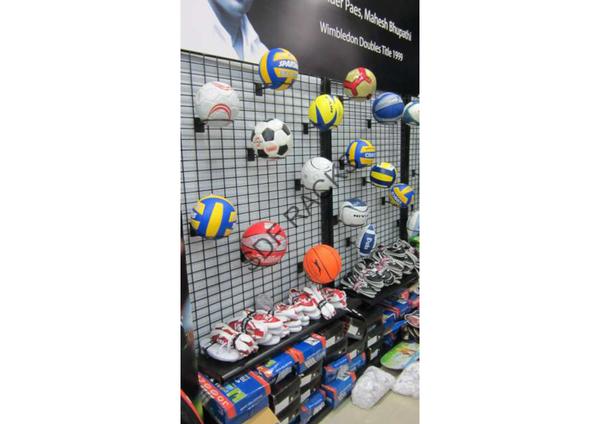
Ball holder racks are unique storage solutions designed to neatly organize and display sports balls such as soccer balls, basketballs, volleyballs, etc. They are usually made of metal, plastic, wood and other durable materials these racks have corresponding individual slots or compartments for holding each ball securely in place frequency or misplaced or not. Ball holder racks come in a variety of sizes, from miniaturized versions suitable for domestic use to larger sizes ideal for stadiums or fitness centers. They help keep the situation organized, protect balls from damage, and make it easier to catch the right ball for a game or practice.
Sports Rack
VIEW DETAILS
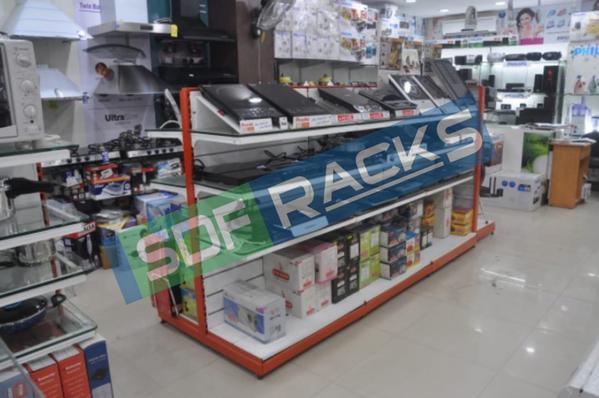
Manufacturing takes a comprehensive approach that combines precision technology with complex materials to create practical and sustainable storage solutions for industries For use in warehouses, retail types, or even homes, racks are essential for proper storage organization and design.The rack design process usually starts with design engineering. Engineers analyze specific requirements and features provided by customers or based on industry standards. Factors such as load capacity, dimensions, and environmental factors (such as temperature and humidity) are considered in this category. Computer-aided design (CAD) software is often used to develop detailed plans and drawings before production begins.Once the design is finalized, the process begins with material selection. Common rack materials include steel, aluminum, and sometimes plastic or composite materials. The selection is based on factors such as energy requirements, load limitations, and cost considerations. Steel, known for its strength and durability, is popular for heavy industrial applications.Construction follows material selection, where metal sheets or profiles are cut, shaped and welded to specific shapes. Precision cutting tools such as laser cutters and rolling water ensure dimensional accuracy, while bending machines form the metal into required shapes through processes such as welding, MIG (Metal Inert Gas) or TIG (Tungsten Inert Gas), the parts safely Assembles and forms the shape of the rackMaterial surfaces are another important step in rack manufacturing, aimed at increasing durability and appearance. This can be various methods such as powder coating, which provides
Department Store Rack
VIEW DETAILS

Filter using tags

Textile racksGarments RacksTextile Hanger RacksGarments hanger RacksCloth Display RacksGlass RacksTextile Glass RacksGarments Glass RacksShopping BasketSupermarket BasketSupermarket Shopping BasketTrolleyBasketWheel BasketSDF RACKSShopping TrolleyTrolley BasketSDF Racks

Have any question or need any business consultation?

Have any question or need any business consultation?

Contact Us